about us
professional metal ceiling equipment manufacturer your trust partner since 2010
who we are
leading metal ceiling machine manufacturer since 2010
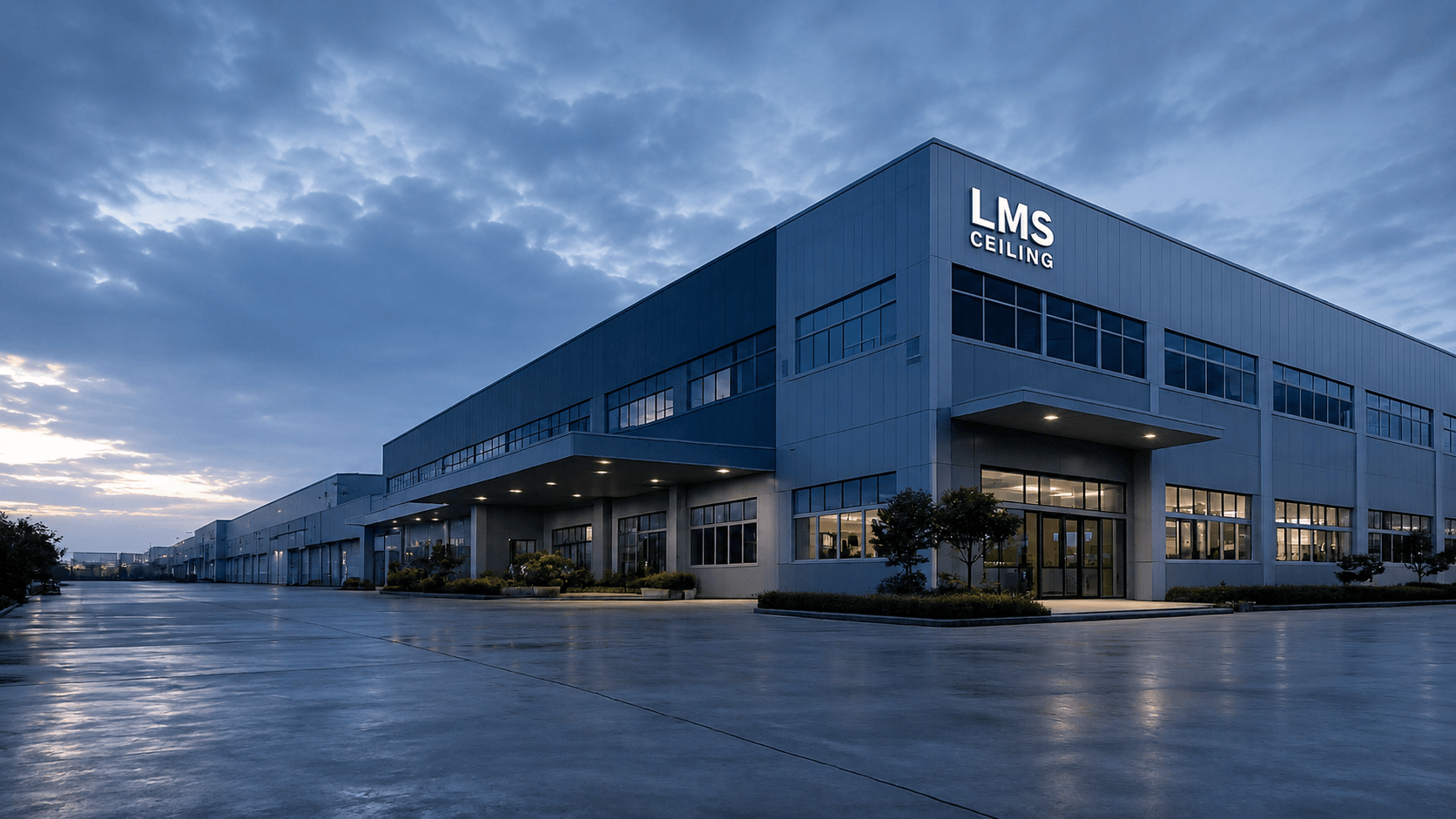
LMS Ceiling is a professional manufacturer of metal ceilings with over 15 years of experience. We focus on R&D, production and sales of high-quality metal ceiling systems for commercial, industrial and architectural projects worldwide.
1980s
factory founded
start making roll forming machines
2010
begin export
get customer by alibaba, global exhibitions
2018
LGS brand factory-Framemac founded
beign provide lgs machine
2022
honeycomb beiling panel factory founded
GIGA factory
2025
LMS branch sales team founded
LMS metal ceiling solutions team founded
20+
years experience
80+
countries served
300+
project completed
24/7
global support
About LMS-Roll Forming Machine Suppliers
LMS was founded in 1980, initially focusing on the design, development, and manufacturing of high-end cold roll forming machines. With over 40 years of industry experience, LMS has built strong expertise in precision machinery and metal ceiling production solutions. Since entering the international market in 2010, LMS has supplied equipment and services to customers around the world.
LMS Metal Ceiling Solutions specializes in customized metal ceiling production systems. We can manufacture machines according to customers’ drawings and technical requirements, while also recommending new ceiling products based on local market demands.
All LMS machines are independently designed, engineered, and manufactured in-house, which allows us to maintain complete production data backups and provide reliable long-term technical support.
Our main ceiling product range includes:
* 600×600 mm metal ceiling panels
* 600×1200 mm metal ceiling systems
* Open cell ceilings
* Suspension ceiling grid systems
LMS is committed to delivering reliable machinery, innovative solutions, and professional service for customers worldwide.
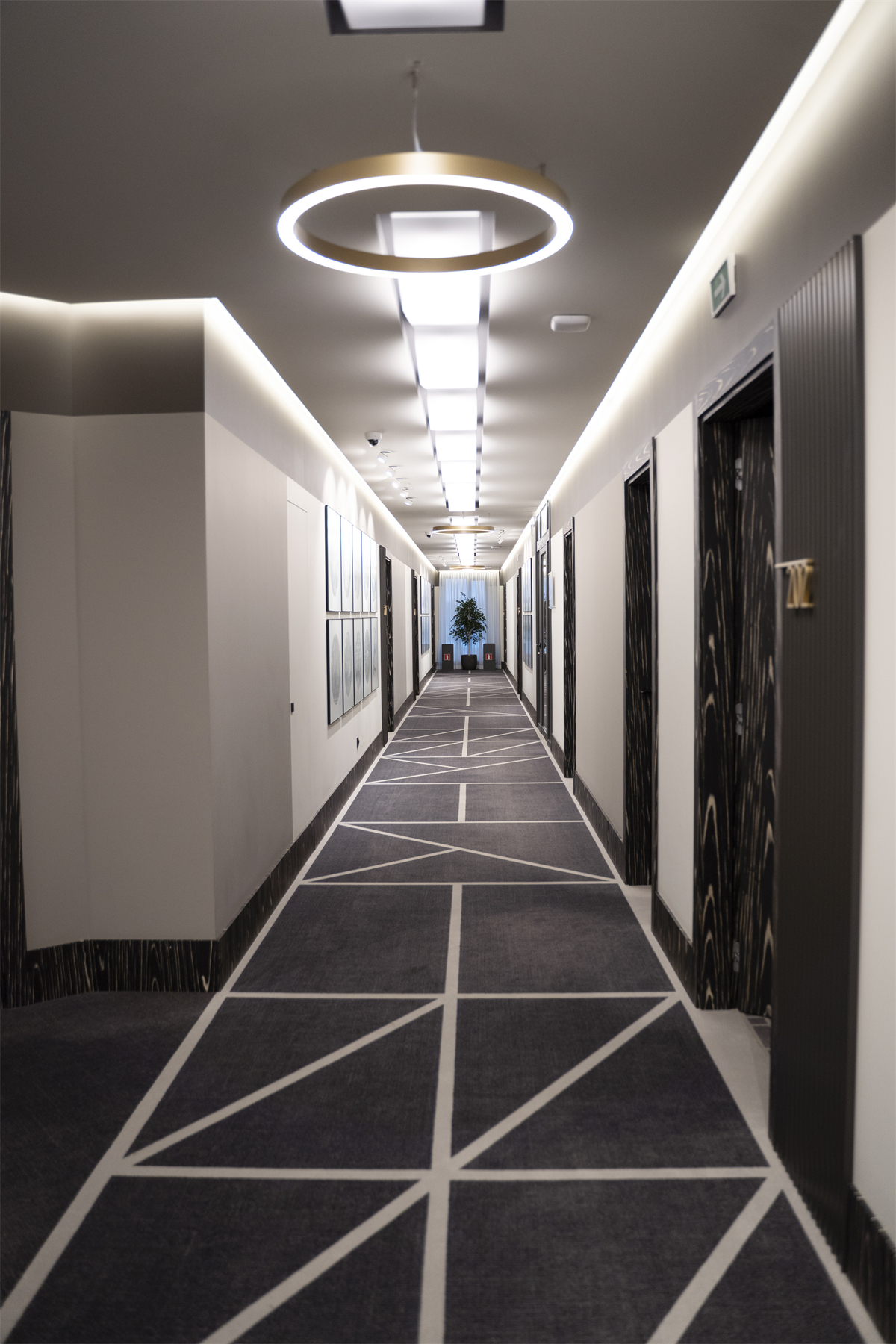
Provided Full Metal Ceiling Solutions
Frequently Asked Question
To ensure optimal lifespan and performance for your roll forming machine, follow these essential steps:
Regular Maintenance: Adhere to the manufacturer’s recommended maintenance schedule to keep your machine operating efficiently.
Lubrication: Apply lubricants to the machine’s moving parts as specified by the manufacturer. Proper lubrication reduces friction and extends the machine’s lifespan.
Cleanliness: Maintain a clean working environment for your machine. Regularly remove debris and dust to prevent damage and ensure smooth operation.
Operator Training: Provide comprehensive training to operators on proper machine usage and handling techniques. This minimizes the risk of misuse and potential damage.
Upgrades: Consider upgrading your machine’s components or technology when necessary. Upgrades can enhance performance and extend the overall lifespan of your roll forming machine.
Recent technological advancements in roll forming machines encompass automation, software integration, and material handling improvements. These innovations offer substantial benefits to your production process by enhancing efficiency, minimizing waste, and elevating product quality. Automation, for instance, diminishes manual labor requirements, boosts forming process speed, and enhances precision. Software integration streamlines design and programming tasks, while material handling enhancements reduce material damage and waste. Collectively, these advancements empower you to enhance competitiveness through improved productivity and cost reduction.
To prioritize operator safety when using roll forming machines, it is crucial to implement effective safety measures and provide comprehensive training. Here are essential steps to ensure the safety of your operators:
Training: Offer thorough training on machine operation, maintenance, and safety protocols to equip operators with the necessary knowledge and skills.
Safety Features: Install appropriate safety features, such as guards, emergency stop buttons, and warning labels, to mitigate potential risks and protect operators during machine operation.
Regular Inspections: Conduct routine inspections of the machine to identify any potential hazards or malfunctions. Address these issues promptly to prevent accidents.
Reporting System: Establish a reporting system that encourages operators to report safety concerns or incidents. Promptly address and investigate these reports to prevent future occurrences.
Safety Culture: Foster a culture of safety within your organization by emphasizing the importance of following safety procedures and prioritizing operator well-being.